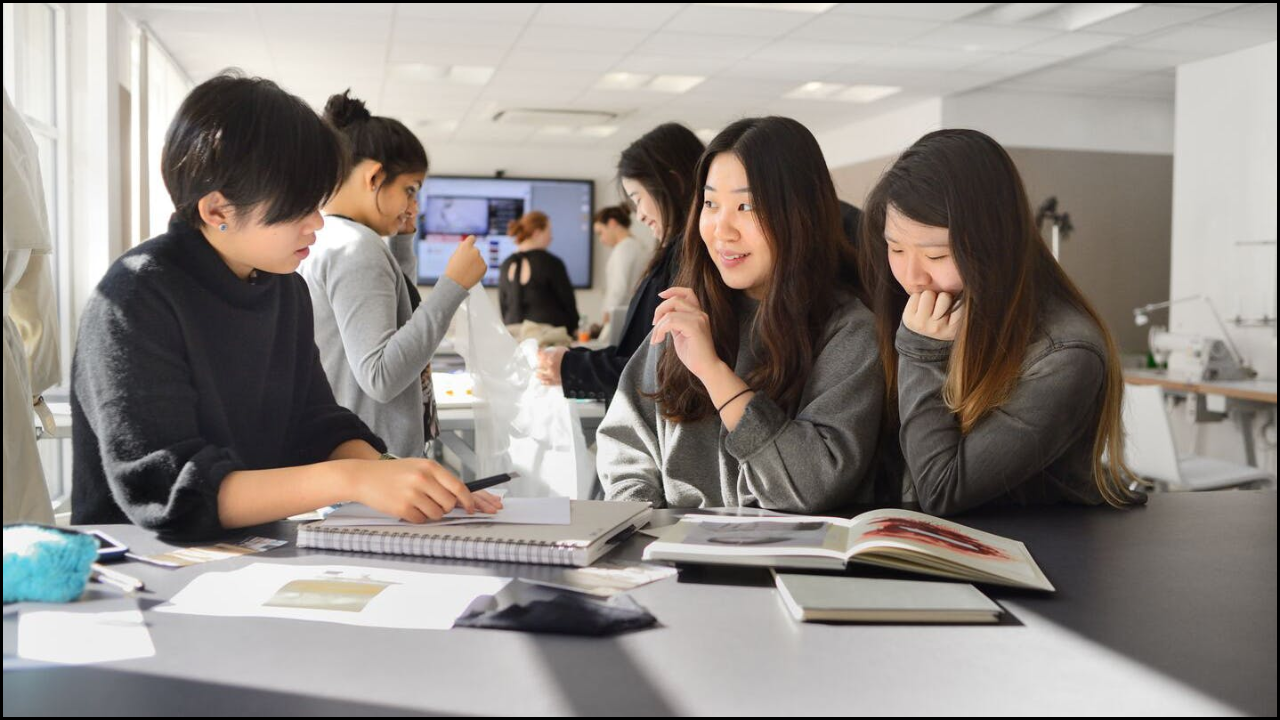
Project-based learning (PBL) through the arts creates dynamic opportunities for students to explore, research, and express ideas creatively while achieving academic and personal growth. In New Jersey, arts-integrated project-based learning aligns with the state’s educational standards by promoting critical thinking, collaboration, and problem-solving skills. The approach places students at the center of the learning process, allowing them to connect classroom concepts with real-world artistic applications.
Table of Contents
Understanding Project-Based Learning in the Arts
Definition: Project-based learning involves extended inquiry-based projects where students gain knowledge and skills by investigating complex questions or problems through the arts.
Arts as Catalyst: Artistic processes—such as visual arts, drama, music, and dance—act as tools for research, communication, and creative expression.
Learning Environment: Students take ownership of their learning while teachers guide them as mentors and facilitators.
Focus on Process: Emphasis lies on exploration, reflection, and revision rather than only the final product.
Integration Across Disciplines: Arts-based PBL links with subjects such as science, history, mathematics, and language arts to deepen understanding.
Core Principles of Arts-Based PBL
Principle
Description
Student-Centered Learning
Students lead their projects, making decisions about design, medium, and presentation.
Inquiry-Driven Approach
Projects begin with meaningful questions that connect art with real-world issues.
Collaboration & Teamwork
Students often work in groups to brainstorm, create, and present their projects.
Reflection & Feedback
Regular reflection helps students refine artistic and conceptual elements.
Public Presentation
Students share their work with audiences beyond the classroom, enhancing accountability and confidence.
Benefits of Project-Based Learning in Arts Education
Enhanced Engagement: Arts make learning interactive and relevant, capturing student interest.
Creative Problem Solving: Students learn to experiment and take risks while tackling challenges artistically.
Interdisciplinary Thinking: Artistic projects connect diverse academic subjects through creative expression.
Improved Communication: Presentations, performances, and exhibitions develop verbal and visual communication skills.
Empathy and Collaboration: Working with peers nurtures emotional intelligence and social skills.
Deeper Understanding: Students internalize knowledge through hands-on creation and personal exploration.
Stages of Arts-Based Project Development
Stage
Activities Involved
1. Inquiry and Planning
Identify essential questions, goals, and learning outcomes related to an artistic theme.
2. Research and Exploration
Gather resources, study relevant art forms, and brainstorm creative solutions.
3. Design and Creation
Develop artwork, performances, or multimedia pieces reflecting the central question.
4. Reflection and Revision
Review feedback, make improvements, and refine artistic work.
5. Exhibition and Sharing
Present final projects to peers, community members, or online audiences.
Examples of Arts-Based PBL Projects
Environmental Awareness through Sculpture: Students use recycled materials to create installations promoting sustainability.
History through Theatre: Learners dramatize key historical events to understand social and political contexts.
Mathematics in Design: Students explore geometry through patterns, architecture, and visual composition.
Music and Emotion Study: Learners compose pieces to express human emotions and analyze the psychology of sound.
Community Murals: Students design and paint murals reflecting local culture, identity, or civic issues.
Teacher’s Role in Arts-Based PBL
Role
Responsibility
Facilitator
Guides inquiry, supports planning, and encourages independent problem-solving.
Collaborator
Works alongside students to co-create projects and explore artistic solutions.
Evaluator
Assesses both creative process and product using clear criteria and rubrics.
Mentor
Encourages reflection, self-assessment, and risk-taking in creative exploration.
Connector
Links classroom projects with community organizations, artists, or local exhibitions.
Assessment Methods in Arts-Based PBL
Process Journals: Students document progress, challenges, and reflections.
Peer Review Sessions: Classmates provide feedback to help improve projects collaboratively.
Rubrics and Checklists: Teachers assess creativity, collaboration, content mastery, and presentation.
Performance Evaluations: Live demonstrations or exhibitions serve as assessment opportunities.
Self-Assessment: Students evaluate personal growth, effort, and learning outcomes.
Integration with New Jersey Learning Standards
Standard Area
Application in PBL
Creating
Encourages originality and conceptual thinking through hands-on artistic production.
Presenting
Involves sharing projects publicly to develop confidence and presentation skills.
Responding
Requires reflection and critique to improve artistic decisions.
Connecting
Links artistic experiences with community issues, history, and global awareness.
Challenges in Implementing Arts-Based PBL
Limited Time: Project planning and execution may require more instructional hours.
Assessment Complexity: Measuring creativity and collaboration can be subjective.
Resource Constraints: Lack of art supplies, technology, or space can hinder project development.
Teacher Training Needs: Educators may need additional support to design and manage art-integrated projects.
Break projects into smaller phases with clear milestones.
Resource Shortages
Use recycled materials or digital tools for low-cost creation.
Assessment Issues
Develop transparent rubrics and emphasize process documentation.
Professional Support
Attend workshops or collaborate with teaching artists for guidance.
Curricular Alignment
Map projects to existing academic standards and learning objectives.
Impact of Project-Based Learning Through the Arts
Strengthens creativity and student agency.
Promotes inclusivity by accommodating diverse learning styles.
Enhances cultural awareness and community engagement.
Builds resilience, persistence, and problem-solving abilities.
Encourages lifelong appreciation for the arts as a means of learning and expression.
Parting Insights
Project-based learning through the arts transforms education into an engaging, student-driven process that combines academic content with creative exploration. In New Jersey, this approach fosters deeper understanding, community connections, and personal growth by integrating imagination with inquiry. By valuing both process and product, arts-based PBL nurtures learners who think critically, act collaboratively, and create meaningfully — qualities that define the future of holistic education.
She is a creative and dedicated content writer who loves turning ideas into clear and engaging stories. She writes blog posts and articles that connect with readers. She ensures every piece of content is well-structured and easy to understand. Her writing helps our brand share useful information and build strong relationships with our audience.