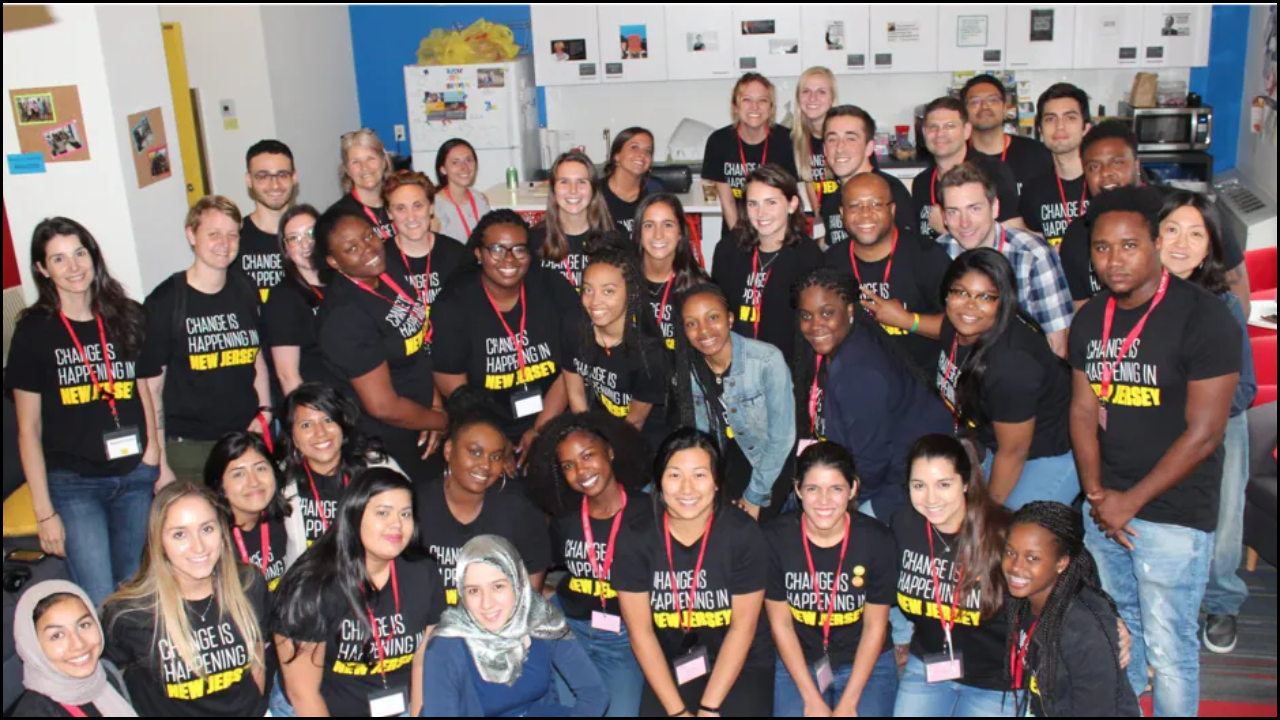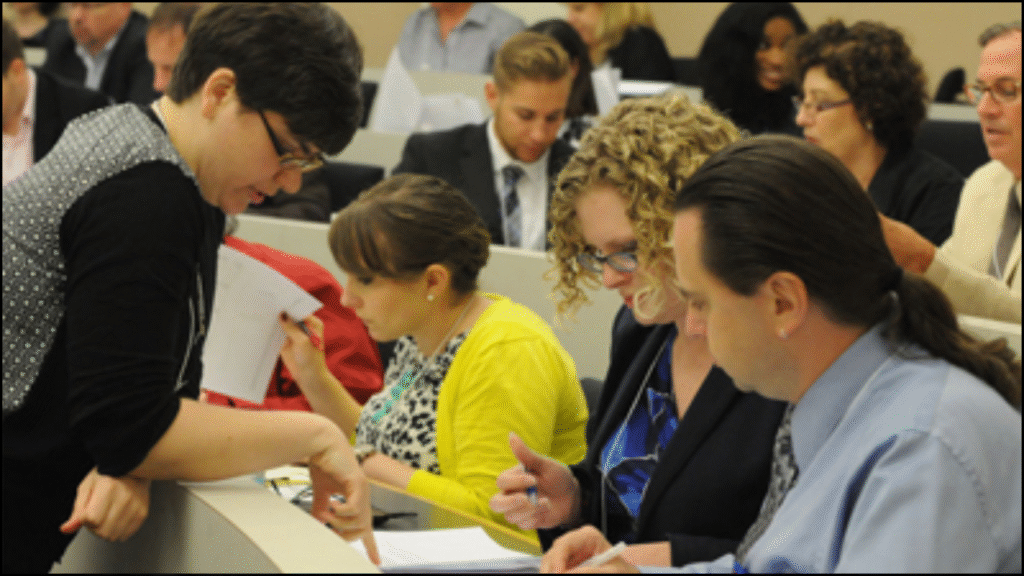
Networking offers arts educators in New Jersey valuable opportunities to connect, collaborate, and elevate their professional practice. Through strategic relationships with colleagues, teaching artists, school leaders, and arts organizations, educators gain access to new ideas, shared resources, and supportive communities. Strong professional networks empower educators to bring richer experiences to students, influence policy, and sustain meaningful arts education programs across the state.
Table of Contents
Why Networking Matters for Arts Educators
- Professional Growth: Networking opens doors to workshops, mentorships, and leadership roles that expand one’s skill set.
- Collaborative Innovation: Educators who connect with peers and artists can co-design arts-integrated lessons and cross-disciplinary projects.
- Resource Sharing: Through networks, teachers access teaching materials, funding leads, and program ideas at a faster pace.
- Advocacy and Influence: A connected educator community amplifies its voice when engaging in policy, funding, and curriculum conversations.
- Emotional & Social Support: Arts educators often work in isolation; networks build community, reduce isolation, and offer peer encouragement.
Key Networks and Organizations in New Jersey
| Organization | What They Offer |
|---|---|
| Arts Ed NJ | Statewide coalition supporting arts educators with professional learning, advocacy tools, and community-building opportunities. |
| Art Educators of New Jersey (AENJ) | Association for Visual Arts Teachers offering conferences, workshops, exhibitions, and statewide connections. |
| Teaching Artists of the Mid Atlantic (TAMA) – NJ Network | A regional network helping teaching artists connect within New Jersey and the broader Mid-Atlantic region through forums and local groups. |
| Arts Horizons | Non-profit engaged in arts-in-education work, offering programs and networking opportunities for teaching artists and educators in New Jersey. |
How to Build and Sustain a Strong Professional Network
- Attend Statewide and Regional Conferences: Conferences organized by platforms like Arts Ed NJ or AENJ feature breakout sessions, peer-sharing forums, and formal networking events—ideal for meeting other educators.
- Join Online Communities and Forums: Platforms managed by TAMA and similar networks allow discussions, resource postings, and opportunities to join local peer groups.
- Engage in Collaborative Projects: Team up with a teaching artist, a classroom teacher, and an arts organization to design a project—this builds relationships, reveals strengths in other areas, and nurtures referrals.
- Volunteer for Statewide Initiatives: Serving as a facilitator, presenter, or participant in groups like Arts Ed NJ’s Professional Learning Facilitation Community (PLFC) creates visibility and leadership connections.
- Leverage Local School & District Networks: Within your school district, collaborate with curriculum coaches, arts specialists, and administration—they often serve as gatekeepers to broader networks.
- Keep Contact Lists Updated & Follow-Up: After events, reach out to new contacts, set mini-meetings (even 15 minutes), or join a shared project to convert the connection into collaboration.
Best Practices for Networking as an Arts Educator
| Practice | Why It’s Effective |
|---|---|
| Have a Clear Elevator Pitch | Rapidly explain your role, interests, and what you’re seeking—makes it easier for others to offer relevant connections. |
| Offer Value First | Share a resource, invite others to a workshop, or offer mentoring—this helps build reciprocity and relational equity. |
| Use Social Media Strategically | Platforms like LinkedIn, Instagram, or Twitter can help amplify your work and attract collaborators across New Jersey. |
| Join Cross-Discipline Groups | Art educators collaborating with STEM, literacy, or special-education networks can expand their reach and relevance. |
| Stay Engaged Consistently | Networking is not an event—it’s a sustained practice: participate in meetings, share updates, and reconnect over time. |
| Be Authentic and Curious | Networking is not an event—it’s a sustained practice: participate in meetings, share updates. and reconnect over time. |
Overcoming Networking Challenges Unique to Arts Educators
- Challenge: Limited time due to heavy teaching loads.
Solution: Schedule one networking activity monthly—e.g., a webinar or coffee meeting—and build gradually. - Challenge: Feeling isolated in small or rural districts.
Solution: Prioritize virtual networks and join statewide digital communities; then, seek local collaborators (even other subjects). - Challenge: Not knowing where to begin.
Solution: Attend one event hosted by Arts Ed NJ or AENJ, pick two people you didn’t know, introduce yourself, and set a follow-up conversation. - Challenge: Maintaining relationships over time.
Solution: Create a “network maintenance” list—a simple spreadsheet of contacts, last interaction date, and next steps; update it quarterly.
Example Networking Opportunities in New Jersey
- Arts Ed NJ Professional Learning Cohorts: Educators can apply to become facilitators or participants in structured cohorts, enabling deep connections and leadership visibility.
- AENJ Annual Conference: Offers over 130 workshops, panel sessions, and exhibits, allowing visual arts educators to connect statewide.
- TAMA NJ Local Network Forums: Enables teaching artists to join peer groups, share job leads, and resource pools tailored to the region.
- “Business of Being an Artist” Networking Events: Organized by the New Jersey State Council on the Arts, these events include peer-to-peer meetups and digital business-card exchanges.
How Networking Supports Arts Integration & Program Growth
- Builds partnerships between schools and community arts organizations, extending program reach.
- Facilitates shared lesson design, addressing multiple art forms and student needs across schools.
- Aids in discovering funding collaborators and co-applicants for grants, improving success prospects.
- Strengthens advocacy efforts: a network of educators’ voices in support of equitable arts education and policy change (through groups like Arts Ed NOW.
Future Implications
Networking remains a vital practice for arts educators in New Jersey who wish to enhance their craft, collaborate widely, and influence the broader educational ecosystem. Through intentional connection, ongoing engagement, and generous reciprocity, educators build strong professional communities that elevate student experiences, drive policy-informed programming, and secure meaningful resources. Embracing networking as a strategic tool ensures that the arts will continue to thrive in classrooms across the state—one connection at a time.