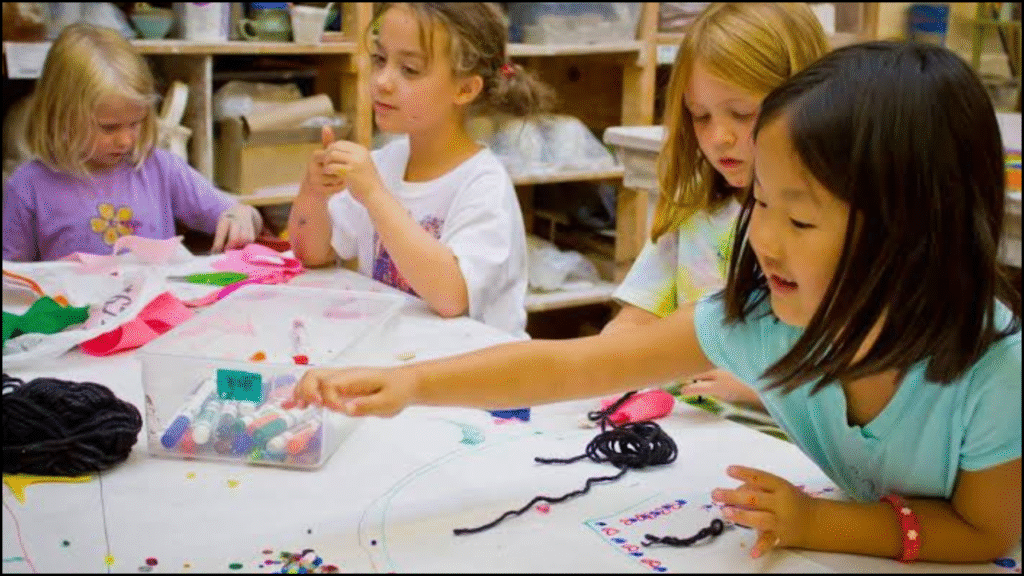
Arts integration in K-12 education transforms traditional classrooms into spaces of imagination, inquiry, and collaboration. A strong curriculum that merges arts with core academic subjects nurtures critical thinking, creativity, and emotional intelligence. In New Jersey, programs like the Arts Professional Learning Institute (APLI) have been influential in helping educators and teaching artists build arts-based teaching methods aligned with state education standards. Arts integration is not just an enrichment activity—it is an essential teaching approach that supports the development of the whole child.
Table of Contents
Meaning of Arts Integration
Arts integration is an educational approach in which students engage in a creative process that connects an art form with another subject area. This process meets evolving objectives in both disciplines and allows learners to construct deeper meaning through expression and experimentation. It blends the rigor of academic learning with the expressiveness of art, fostering holistic growth.
Key Elements of Arts Integration
- Collaboration: Teachers and teaching artists co-design lessons that intertwine artistic expression with academic goals.
- Active Learning: Students become participants rather than observers, experimenting and creating to discover new ideas.
- Cross-Disciplinary Learning: Lessons unite art with science, mathematics, social studies, and literacy.
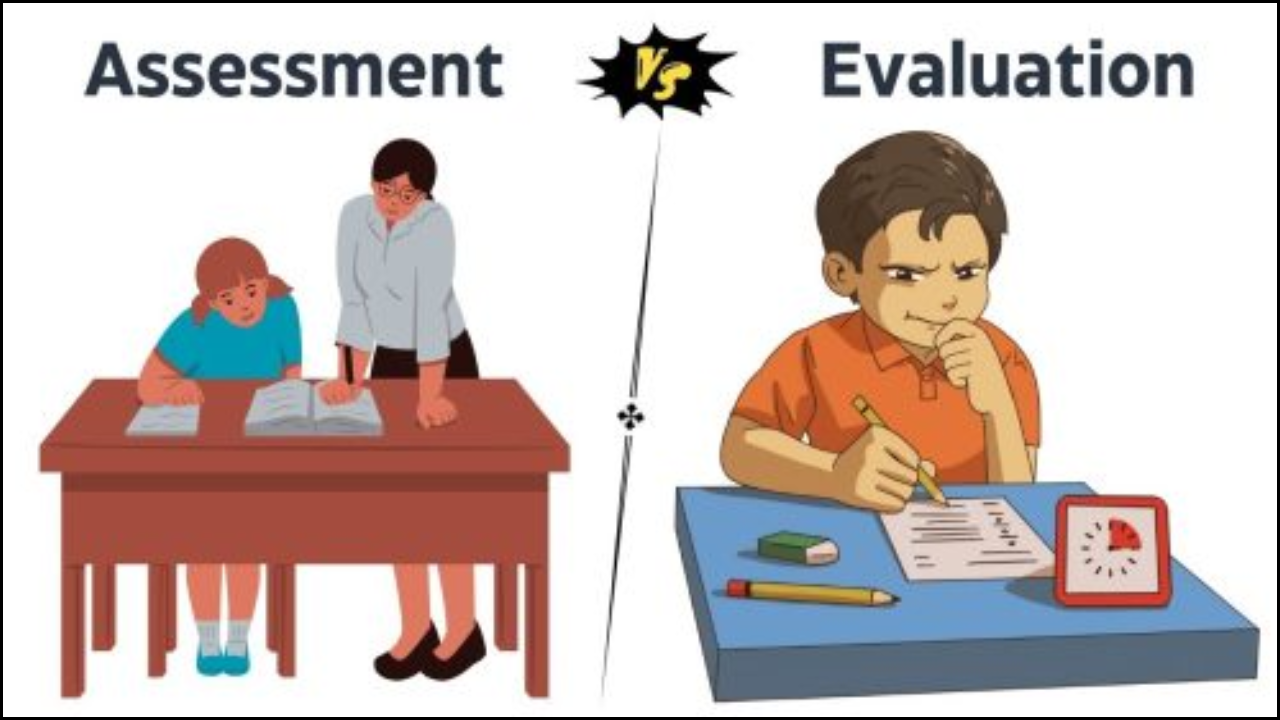
- Reflection and Assessment: Students evaluate both the process and product, building awareness of artistic and academic outcomes.
- Inclusivity: Every learner, regardless of background or ability, finds an entry point for engagement through the arts.
Benefits of Arts Integration in K-12 Education
Arts integration supports multiple dimensions of learning, helping students build knowledge while nurturing creativity and confidence.
- Improved Academic Performance: Integrating art with subjects such as math or science enhances comprehension and retention.
- Enhanced Creativity: Students use imagination to solve problems and communicate ideas in original ways.
- Social-Emotional Development: The arts build empathy, resilience, and teamwork.
- Cultural Awareness: Learners engage with diverse perspectives through music, drama, and visual expression.
- Critical Thinking and Problem Solving: Art-based exploration trains students to analyze, interpret, and innovate.
- Improved Engagement: Creative activities maintain students’ interest, reducing absenteeism and dropouts.
Examples of Arts Integration Activities
| Subject | Art Form Used | Activity Example |
|---|---|---|
| Science | Visual Arts | Create ecosystem collages to understand biodiversity. |
| Mathematics | Music | Use rhythm patterns to explain fractions and ratios. |
| Language Arts | Drama | Enact scenes from novels to interpret themes and emotions. |
| Social Studies | Dance | Represent cultural celebrations through movement. |
| Technology | Digital Arts | Design multimedia presentations for historical events. |
Implementation Strategies for Schools
Arts integration thrives when schools provide supportive environments and structured resources.
- Professional Development: Schools should organize workshops for teachers on arts-based instructional strategies.
- Collaborative Planning: Teachers can collaborate with teaching artists to design cross-disciplinary projects.
- Resource Allocation: Schools should invest in materials, instruments, and artist residencies to sustain arts programs.
- Curriculum Mapping: Arts lessons must align with state and district standards to ensure relevance.
- Community and Family Involvement: Local artists, parents, and cultural institutions can enhance program authenticity.
Role of APLI in Arts Integration
The Arts Professional Learning Institute (APLI) plays a key role in advancing arts integration across New Jersey.
- Provides mentorship programs connecting educators with experienced teaching artists.
- Conducts hands-on workshops for teachers to design art-based curriculum plans.
- Promotes DEIA (Diversity, Equity, Inclusion, Accessibility) in all arts programs.
- Shares research-based models of effective arts integration in public schools.
- Encourages network building among educators, arts councils, and community leaders.
Through these initiatives, APLI ensures that arts education in New Jersey remains accessible, inclusive, and academically meaningful.
Challenges in Arts Integration
While arts integration offers immense benefits, schools often face several barriers.
- Limited Funding: Many schools lack dedicated budgets for arts resources and artist collaborations.
- Curriculum Overload: Teachers struggle to fit creative projects into tight academic schedules.
- Lack of Training: Not all educators have formal arts education backgrounds.
- Assessment Difficulties: Measuring creativity and process-oriented learning remains complex.
- Administrative Resistance: Some schools still view the arts as secondary to academic priorities.
Possible Solutions
- Increased State Support: Government and educational departments can allocate funds specifically for arts integration.
- Professional Learning Opportunities: Regular training can empower teachers to integrate the arts confidently.
- Flexible Curriculum Models: Schools can allow interdisciplinary learning periods for project-based lessons.
- Assessment Frameworks: Rubrics that evaluate creativity, collaboration, and understanding can make assessments more fair.
- Advocacy and Awareness: Highlighting success stories from schools can encourage broader participation.
Case Study: New Jersey Schools Embracing Arts Integration
| School/District | Integration Focus | Impact on Students |
|---|---|---|
| Newark Public Schools | Visual and Performing Arts | Boosted literacy rates and classroom participation. |
| Princeton School District | STEAM (STEM + Arts) | Enhanced innovation and collaborative problem-solving. |
| Camden City Schools | Theatre and Music | Improved confidence, communication, and empathy. |
| Jersey City Public Schools | Visual Arts & Social Studies | Encouraged civic engagement through art-based projects. |
These examples highlight how New Jersey schools use arts integration to foster both academic and emotional growth.
Future of Arts Integration in Education
The future of arts integration lies in innovation, technology, and inclusivity. Emerging trends show that digital art tools, virtual reality, and interactive media will shape the next generation of arts-based learning. Interdisciplinary teaching will evolve to connect the arts with sustainability, health, and technology. Schools will continue to prioritize inclusive practices to ensure that every child has the opportunity to learn through creativity, regardless of socioeconomic background.
The Way Forward
Arts integration in K-12 education is a dynamic process that transforms classrooms into spaces of exploration and imagination. It connects learning with creativity, allowing students to develop critical thinking, empathy, and innovation skills. Programs like APLI have strengthened New Jersey’s commitment to arts-integrated learning by equipping teachers and artists with tools to merge creativity and curriculum effectively. The future of education depends on the ability to cultivate not only knowledgeable but also creative and compassionate learners—and arts integration stands at the center of this transformation.