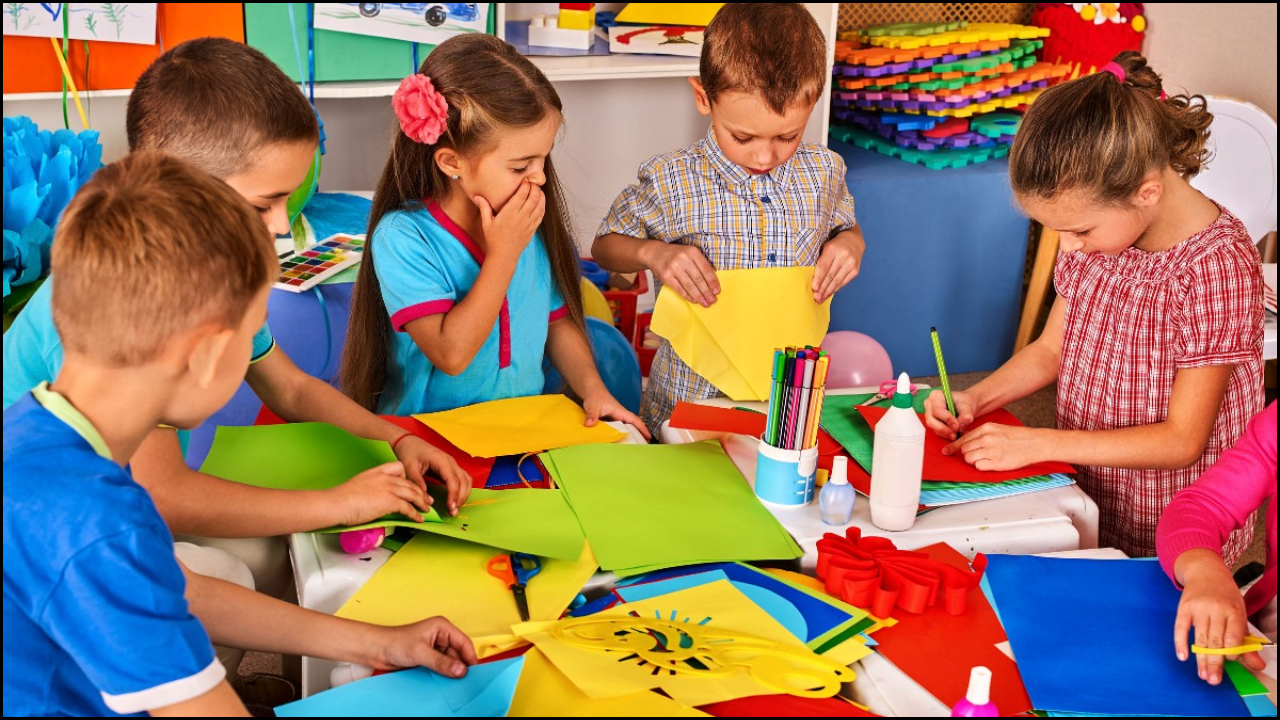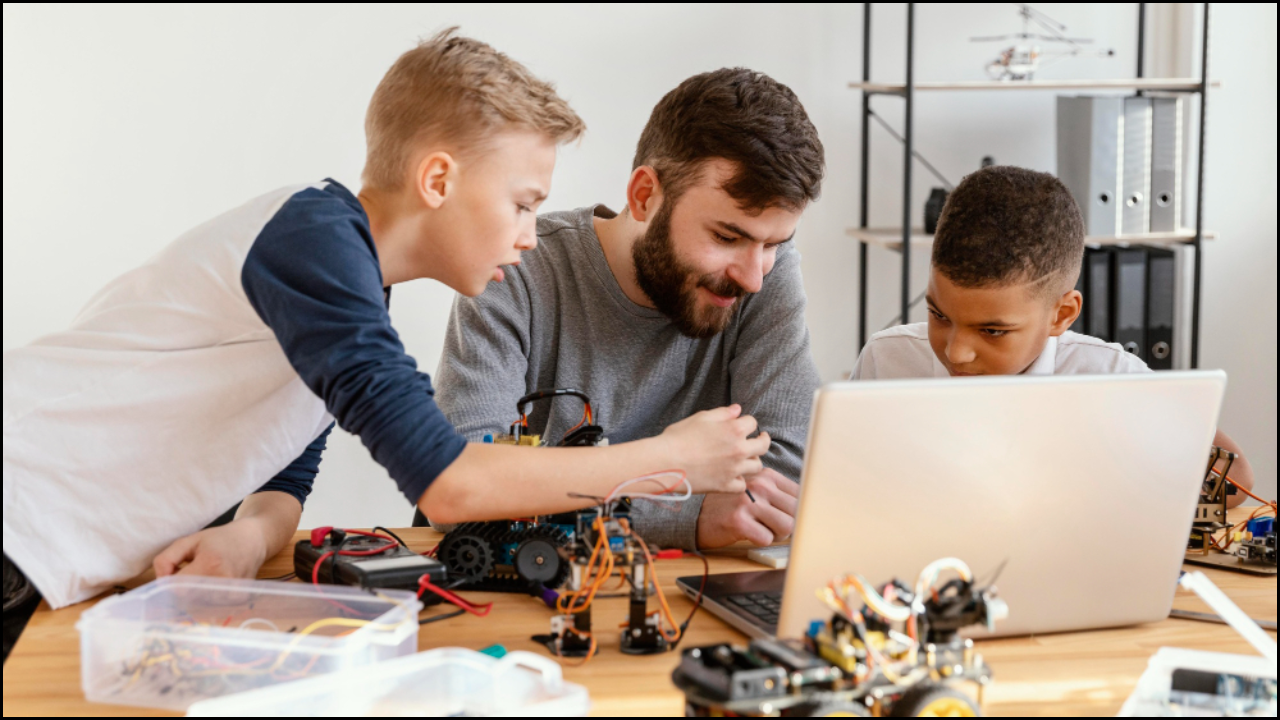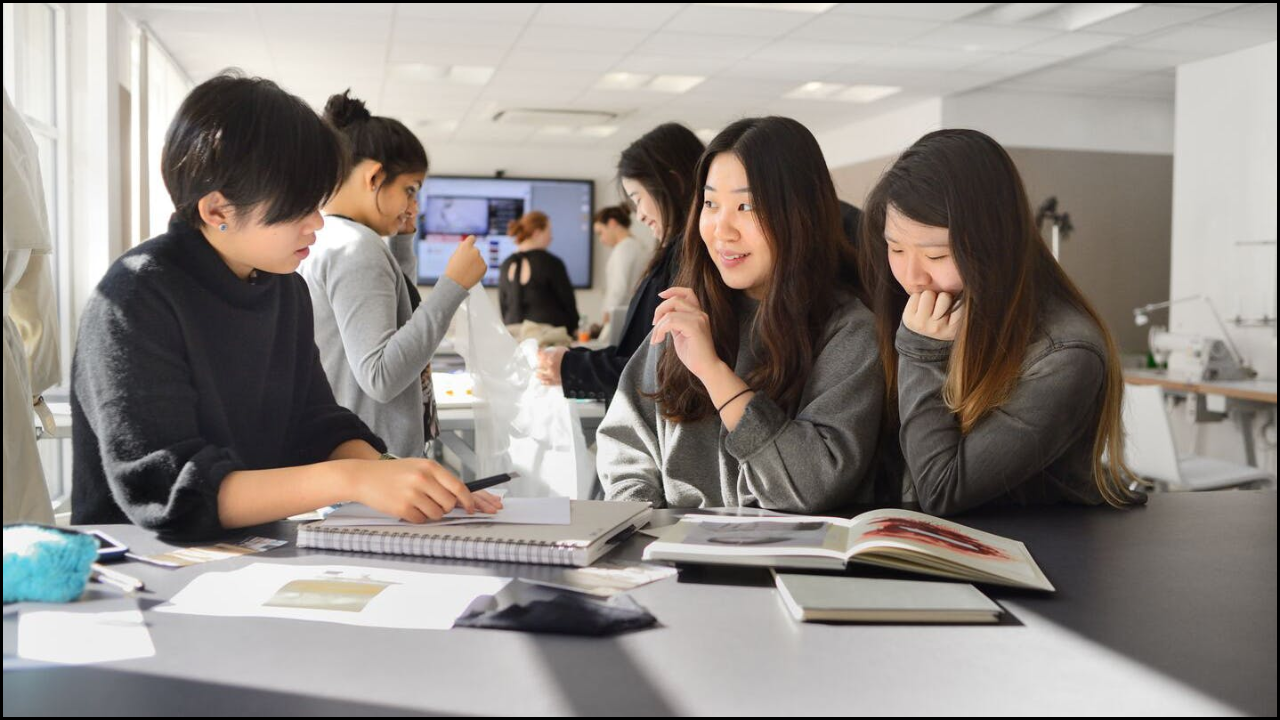
Arts education in modern classrooms is evolving through digital transformation. New technologies like Artificial Intelligence (AI), Virtual Reality (VR), Augmented Reality (AR), and digital media tools are reshaping the way students learn, create, and collaborate. Arts educators are now embracing innovative approaches that blend creativity with technology to prepare students for the challenges of a digital future. Integration of these tools enhances imagination, inclusivity, and engagement, offering limitless opportunities for exploration in artistic learning.
Table of Contents
Role of Technology in Modern Arts Education
- Technology Integration: Digital tools bridge traditional art forms with innovative expression, allowing learners to experiment with various techniques.
- Interactive Learning: Multimedia content, simulations, and design applications make learning interactive and visually appealing.
- Collaborative Platforms: Online tools encourage teamwork and creativity among students and teaching artists.
- Accessibility and Inclusion: Technology provides access to diverse learners, including those with physical or cognitive challenges.
- Professional Development: Teachers gain continuous learning opportunities through webinars, online training, and digital communities.
Artificial Intelligence (AI) in Arts Education
| Aspect | Impact on Arts Learning |
|---|---|
| Creative Assistance | AI tools help students generate design ideas, music compositions, and visual artworks. |
| Personalized Learning | AI systems adapt lessons based on student progress and creative interests. |
| Assessment Support | Automated systems evaluate creativity, technique, and improvement metrics. |
| Art History Exploration | AI databases allow students to explore artworks, artists, and styles efficiently. |
| Career Preparation | Understanding AI applications prepares students for emerging creative industries. |
- Examples of AI Tools Used in Classrooms:
- DALL·E for visual art generation
- Magenta for music composition
- ChatGPT for storytelling and creative writing support
Virtual and Augmented Reality (VR/AR) in Arts Education
| Feature | Educational Value |
|---|---|
| Virtual Reality (VR) | Immerses learners in digital art studios and museums, enabling 360-degree exploration. |
| Augmented Reality (AR) | Adds digital layers to real-world artworks, enriching interpretation and interaction. |
| 3D Art Experiences | Students sculpt, paint, and design in simulated environments. |
| Cultural Immersion | VR experiences allow learners to visit global art sites and historical exhibits virtually. |
| Empathy and Perspective | Immersive storytelling fosters emotional connection and cultural understanding. |
- Popular Tools:
- Google Arts & Culture VR tours
- Tilt Brush by Google
- Adobe Aero for AR storytelling
Digital Media and Multimedia Creativity
| Tool Type | Usage in Arts Education |
|---|---|
| Video Editing Software | Helps students produce films, documentaries, and visual portfolios. |
| Graphic Design Applications | Encourages students to develop digital posters, animations, and brand identities. |
| Podcasting Tools | Enhances audio storytelling and creative discussions. |
| Interactive Platforms | Combines images, videos, and text for project-based learning. |
| Digital Portfolios | Showcases student growth and creativity in a professional format. |
- Examples of Commonly Used Software:
- Canva and Adobe Creative Cloud for design
- iMovie and WeVideo for digital storytelling
- Anchor and Audacity for podcasting
Benefits of Integrating AI, VR/AR, and Digital Media
- Enhanced Creativity: Students gain freedom to express ideas using varied media.
- Critical Thinking Development: Digital creation encourages experimentation and problem-solving.
- Cross-Disciplinary Learning: Integration links arts with STEM subjects, forming STEAM education.
- Global Collaboration: Students connect with peers worldwide through online art showcases and digital exhibitions.
- Increased Motivation: Interactive lessons make learning exciting and relevant.
- Real-World Application: Skills in digital creation align with modern creative industries and careers.
Challenges and Considerations
| Challenge | Possible Solution |
|---|---|
| Access Inequality | Provide community-based digital labs and funding for under-resourced schools. |
| Teacher Training Gaps | Offer professional learning through APLI-style workshops and mentorships. |
| Technical Issues | Ensure regular system updates and technical support. |
| Digital Distraction | Encourage balanced use through structured digital guidelines. |
| Ethical Use of AI | Educate students about originality, authorship, and creative integrity. |
Examples from New Jersey Classrooms
- Montclair Public Schools integrated VR art tours to explore world museums.
- Princeton Arts Program introduced AI-generated art lessons for students.
- Newark Schools used AR-based storytelling projects for history and arts integration.
- Camden Creative Learning Center developed digital portfolios for performing arts students.
These initiatives highlight how New Jersey continues to lead in adopting creative technologies for inclusive and dynamic learning environments.
Future Directions for Arts Technology Integration
- AI-Driven Art Curation: Personalized art suggestions and automated critiques.
- Expanded AR Exhibitions: School-based digital galleries accessible through mobile apps.
- Hybrid Learning Spaces: A Combination of virtual and physical classrooms for art creation.
- Green Digital Arts: Sustainable media practices reducing electronic waste.
- International Collaborations: Partnerships between schools for virtual art exchanges.
Summing Up
Arts education in New Jersey and beyond is entering a transformative phase driven by technology. Integration of AI, VR/AR, and digital media creates more dynamic, equitable, and inspiring learning experiences. Educators who embrace these innovations not only expand their teaching potential but also empower students to explore art as a living, evolving language. The future of arts education will continue to merge creativity with technology, shaping a new generation of thinkers, dreamers, and digital creators.